A Free AI Model Just Matched a Premium One — Here's What That Means for You
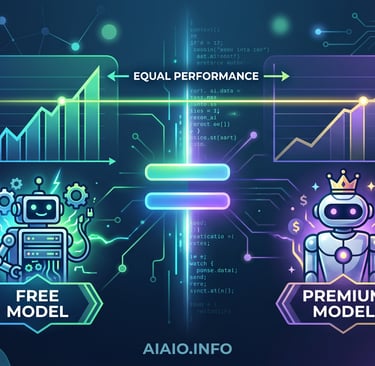
A new open-weight model (Kimi K3) recently made headlines for benchmarking near a premium closed model (Claude's Opus tier) while costing a fraction as much.

A Free AI Model Just Matched a Premium One — Here's What That Means for You
A new open-weight model (Kimi K3) recently made headlines for benchmarking near a premium closed model (Claude's Opus tier) while costing a fraction as much. A detailed head-to-head test from Staying Ahead with AI is worth summarizing for anyone deciding what to actually pay for.
What the testing found
Two tests, run side by side:
Building something from scratch (a game): The premium model produced a working result on the first try. The free model's version looked good in a screenshot but didn't actually work until several rounds of fixes.
Finding bugs in existing code: Both models found every planted issue, with zero false alarms. The premium model went further—it caught an extra issue and reasoned out why a bug only happened intermittently, rather than just listing symptoms.
The pattern that emerged: the free model is genuinely strong at tasks with a clear, checkable answer (find these five bugs). The premium model pulled ahead on tasks that need judgment about what's actually being asked for (build something that works and looks finished, unprompted).
Why this matters when choosing tools
We get asked constantly by clients: "Why pay for the expensive AI tool when a free one exists?" This is a good, current answer. It depends on the task:
Repetitive, well-defined work (data cleanup, bug-spotting, formatting) — a cheaper or free model can genuinely hold its own.
Judgment calls, first drafts of anything customer-facing, or anything where "close enough" isn't good enough—the premium option still earns its cost, at least for now.
Takeaway: Don't assume the expensive tool is always worth it, and don't assume the free one is always a compromise. Match the model to the type of task, and test both on your actual work before committing either way.